
IRS Letter 4883C: What It Means and What to Do Next
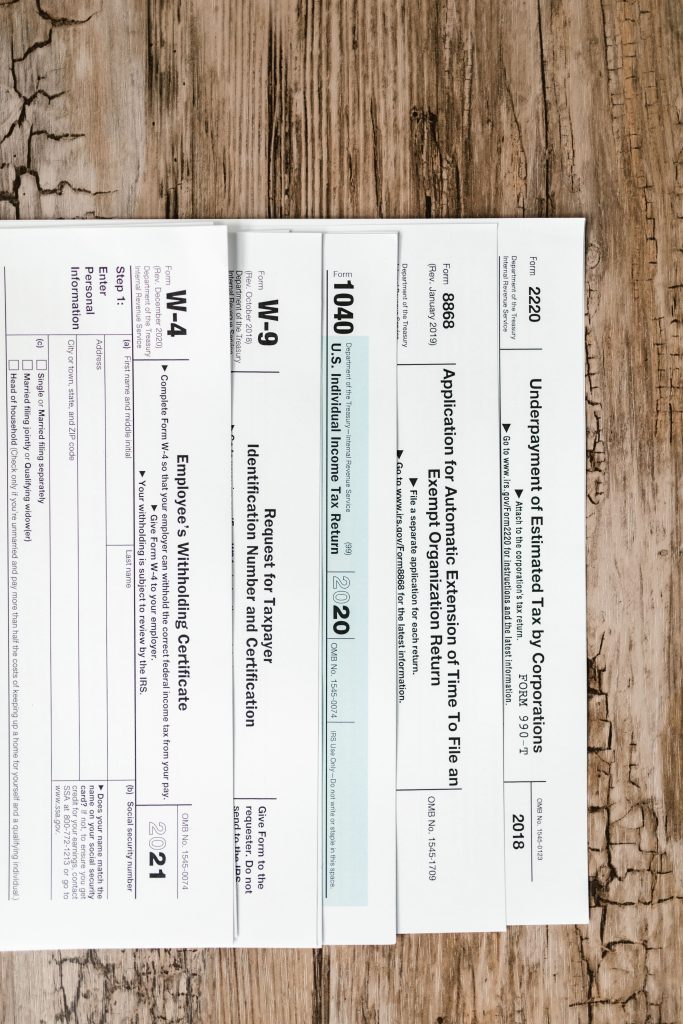
The IRS sends out Letter 4883C to taxpayers when they need to verify your identity and confirm a Form 1040 tax return that was filed under your name. The IRS issues this letter because a return has a potential identity theft concern.
This does not mean that you did anything wrong, it just means that the IRS must confirm you filed your return before they continue to process the return.
Why the IRS Sends Out Letter 4883C
The IRS uses Letter 4883C as part of its fraud prevention process. The letter is sent to confirm two things:
- That you are who you say you are, and
- The tax return that the IRS received was filed by you or someone on your behalf
This helps prevent people from filing fake tax returns using other people’s social security numbers to claim fraudulent refunds.
If the return mentioned in the letter is not yours, or you did not file it, let the IRS know right away. This may mean that someone tried to file a fraudulent return using your identity.
Letter 4883C and Scam Awareness
Tax scams are common, so it is smart to exercise some caution. However, Letter 4883C is a legitimate IRS notice. This means you will have to contact the IRS to resolve this issue.
To protect yourself from scams please ensure that you:
- Read the letter carefully
- Use the phone number printed on the actual letter to contact the IRS
- Do not call a number that comes from any other source such as an email or text message
- Do not click any links in suspicious messages that mention the IRS
What To Do When You Receive Letter 4883C
Step 1: Gather Your Documents
Collect your documents before you contact the IRS. Having all the necessary items ready will make the process much smoother.
You will need to gather the following:
- Your IRS Letter 4883C
- The tax return referenced in the letter (Form 1040)
- A prior-year tax return
- Supporting tax documents for each year’s return, such as:
- W-2’s
- 1099’s
- Schedule C
- Schedule E
- Schedule F
- Other related tax documents that support the information on your return
Step 2: Call the IRS
Call the Taxpayer Protection Program Hotline number that is listed on the letter.
Step 3: Answer the IRS’s Questions
When you call the IRS, they will ask you questions to verify your identity and confirm details on the tax return.
The goal here is to prove that you are the taxpayer named in the letter and that the return the IRS received was filed by you or on your behalf.
Make sure to answer everything carefully. Use the documents gathered to ensure that the information you tell the IRS is accurate.
Step 4: Potential In-Person Appointment
Sometimes the IRS cannot complete the identity verification process over the phone. If that happens, the IRS may instruct you to schedule an appointment at a local IRS office to verify your identity in person.
If this happens to you:
- Follow the appointment instructions the IRS gives you
- Bring all relevant documents that the IRS requests
- Make sure you have identification and the tax records connected to the return in question
What Happens Next
Once you successfully verify your identity the IRS can move forward with processing your tax return.
FAQs
Does Letter 4883C mean I did something wrong?
Usually, no. In most cases, it means the IRS wants to verify your identity and make sure the tax return filed under your name is legitimate.
Can I verify my identity online using my IRS Online Account?
Generally, no. For Letter 4883C, the IRS instructs taxpayers to call the Taxpayer Protection Program Hotline listed on the letter to verify identity and confirm the tax return before processing can continue.
Does this mean I’m being audited?
No. Letter 4883C is not an audit notice, it is an identity and tax return verification letter.
What if I threw the letter away?
If you no longer have the letter, contact the IRS tax assistance number at 800-829-1040 to figure out your next step. Because the letter includes the hotline information and case-specific instructions, it is best to work directly with the IRS to determine how to proceed.
What happens if I ignore Letter 4883C?
If you ignore the letter, the IRS may not continue processing the tax return until the identity issue is addressed. That can delay your refund or create additional complications.
If the return was fraudulent and you do nothing, the problem may also take longer to resolve.
For more information, click here to access the IRS’s page about Letter 4883C.
